

The Civil Discourse Project’s roundtables foster meaningful conversation among Duke students, faculty, and staff by creating space for engagement across ideological divides. Each session focuses on a distinct and often polarizing public policy issue, or offers an opportunity to reflect collectively on major developments in the national landscape. Participants are invited to share viewpoints, listen actively, ask questions, and explore the values and assumptions that shape public opinion. The goal of each session is not to debate winners and losers, but to emphasize respectful dialogue and free inquiry.
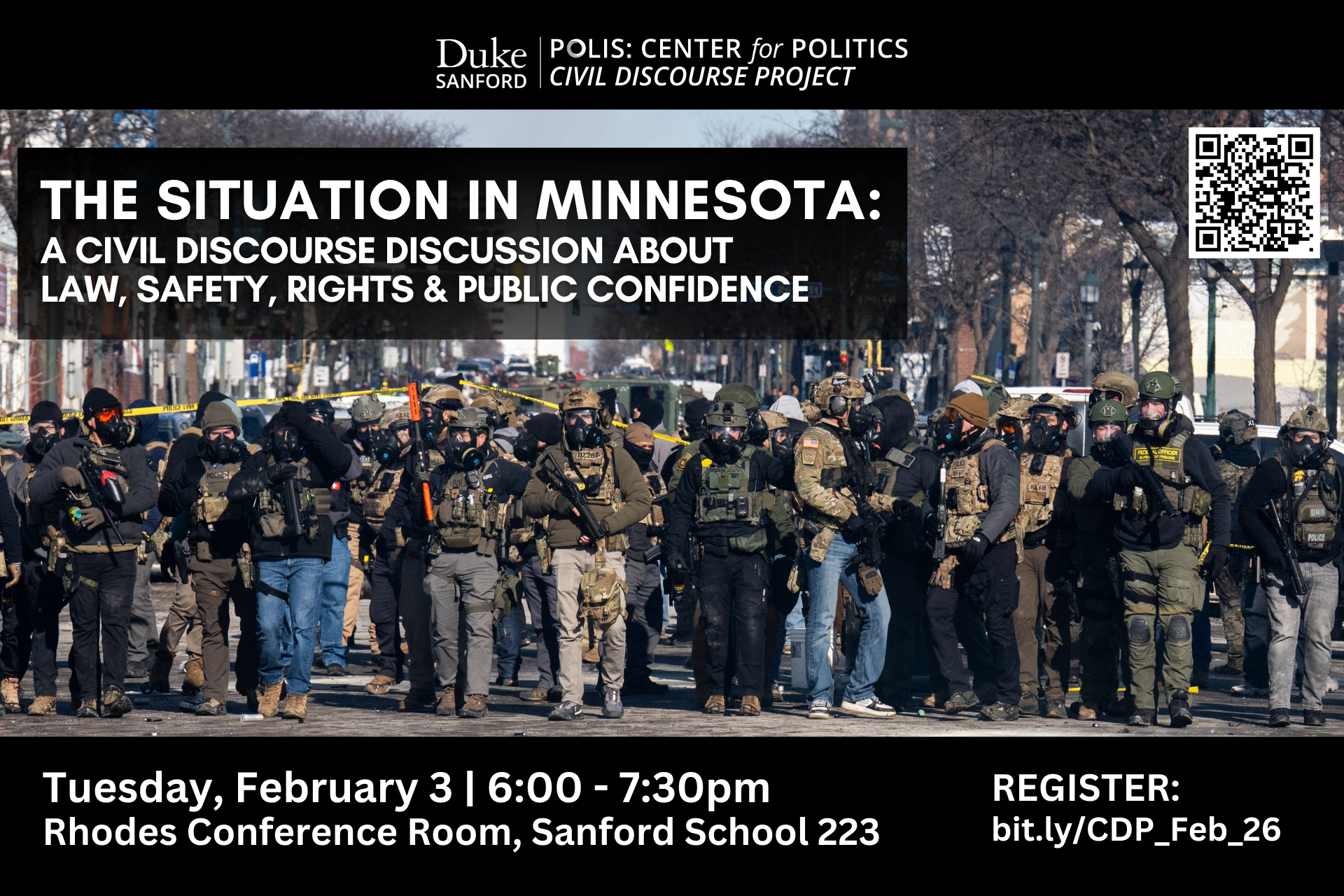
Join the Civil Discourse Project for an interactive discussion on immigration law, the recent developments in Minnesota, and also examine broader questions of public trust, community safety, and civil rights. Professors Chris Coome and Sue Wasiolek will facilitate.
Dinner will be provided! We ask that you register so we may accurately gauge food needs. Register
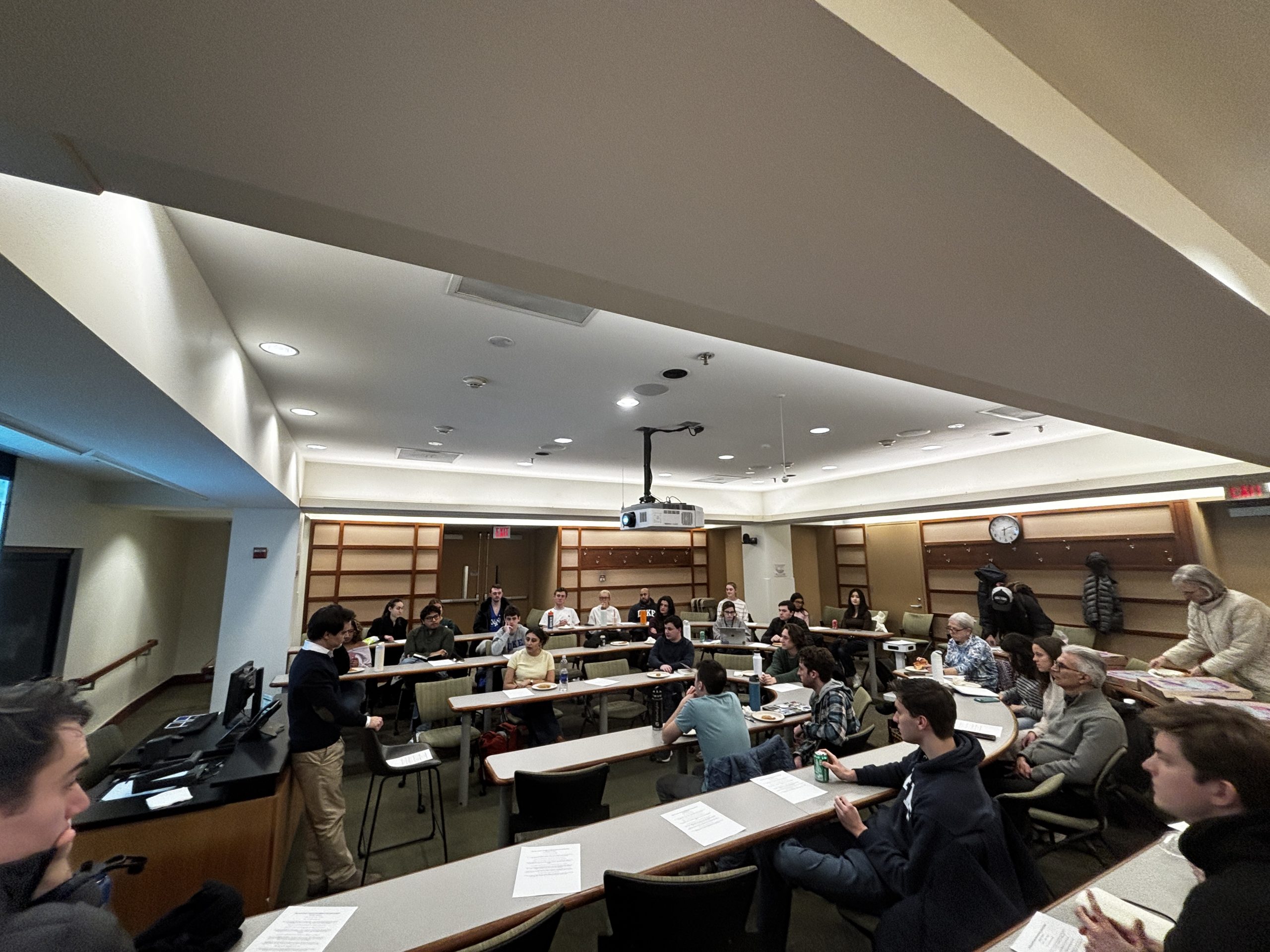
On January 20, 2026, members of the Duke community gathered at the Sanford School of Public Policy for a spirited discussion examining the second Trump administration’s first year in office. The event, co-hosted by The Lemur: Duke’s Big Ideas Magazine and the Civil Discourse Project (CDP), divided students into small groups to foster more intimate and thoughtful conversations. Dr. Christopher Coome, a POLIS postdoctoral fellow, moderated the discussion and invited students to share candid reflections that moved beyond partisan talking points. For more on The Lemur: the lemur.org.

On Thursday, November 13, Polis’ Civil Discourse Project and Duke Democrats co-hosted a roundtable discussion focused on free speech in higher education. Students gathered in Gross Hall to examine the Compact for Academic Excellence in Higher Education and reflect on its ideas before engaging in a broader conversation about how similar principles might apply at Duke. The discussion was facilitated by Professor Sue Wasiolek, who guided students through questions about dialogue, academic freedom, and the role of universities in supporting open expression.

On Wednesday, October 8th, Dr. Christopher Coome moderated a discussion on civil discourse in Sanford 007. The two-hour evening session explored the meaning of civil discourse, its significance in contemporary society, and its potential future evolution. Attendees engaged with fundamental questions about how we communicate across differences and the role respectful dialogue plays in democratic life.
A discussion on institutional neutrality: what should Duke’s positon be? With distinguished faculty members Abdullah Antepli (Divinity School and Sanford School of Public Policy, Director of Duke’s Civil Discourse Project), moderator Kathleen Donohue (Biology), Tim Kuran (Economics and Political Science), Eric Mlyn (Kenan Institute for Ethics and Sanford School), and David Malone (Program in Education, Trinity).

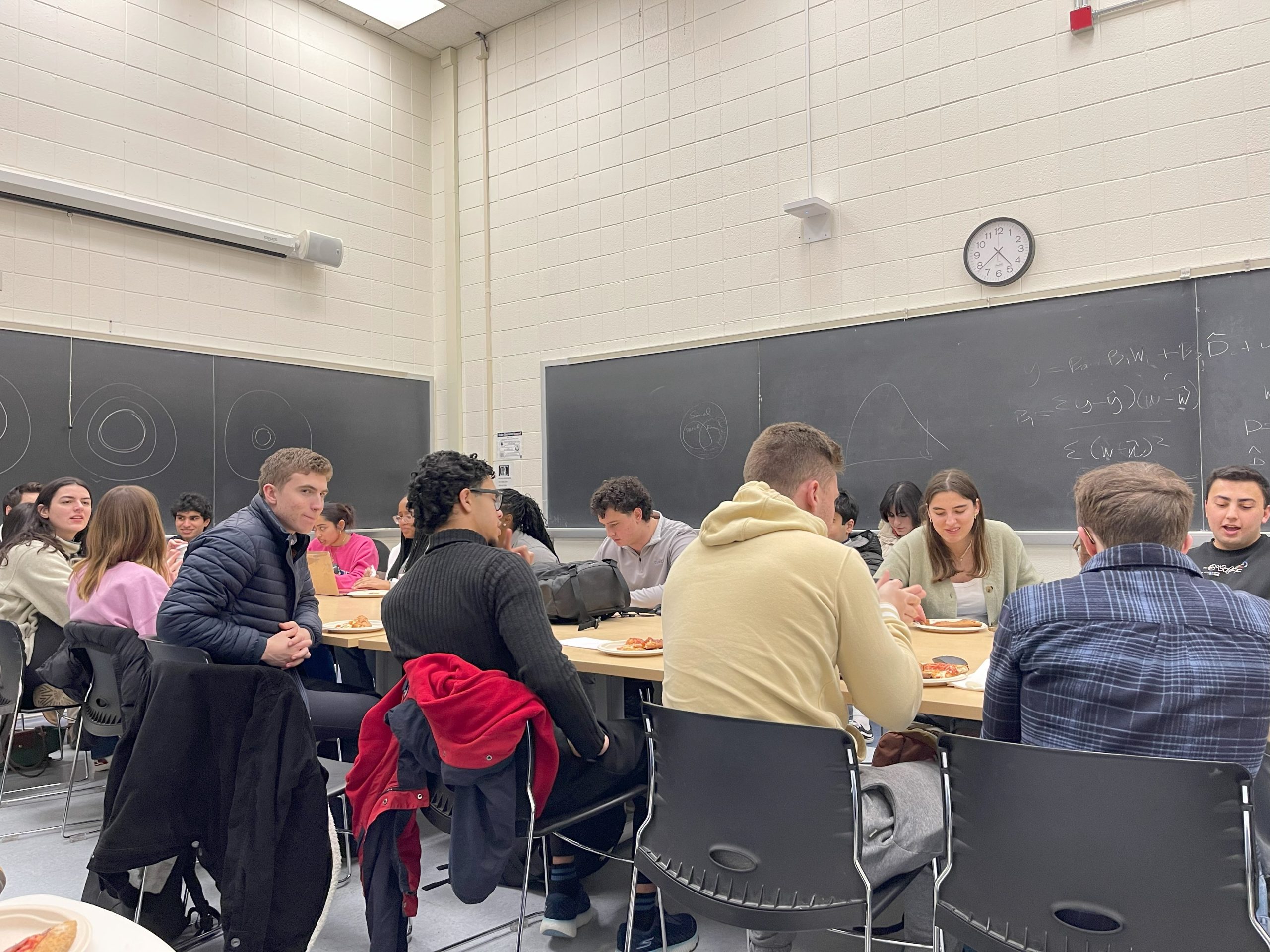
Polis’ Civil Discourse Project and Lemur Magazine were joined by members of the Duke Democrats and Duke College Republicans to discuss the results of the 2024 Presidential Election, as well as voter turnout, implications for American politics and what this means for both parties moving forward.